
Carbon Neutrality Plan
WHAT DOES “CARBON NEUTRALITY” MEAN?
The delicate balance that allows us to thrive without harming nature
Carbon neutrality is achieved when an organization, community, or entire state manages to balance the greenhouse gas emissions produced by human activity through actions that reduce and offset these emissions. To attain a state of carbon neutrality, the goal is to reach a balance between produced and removed/avoided emissions. Useful actions for achieving carbon neutrality for an organization include adopting practices to reduce emissions, such as implementing low-carbon technologies, using renewable energy sources like solar or wind, and employing electric transportation. Additionally, adopting offset policies for the emissions produced, such as reforestation campaigns, forest protection, or investments in carbon capture and storage projects, is crucial. A policy aimed at carbon neutrality is thus based on a continuous process of improvement and updating within organizations.
Since 2018, Andriani has embarked on a challenging and ambitious journey to achieve Carbon Neutrality of its production facility by 2025. This goal involves the cyclical implementation of the following activities:
- Identification of emission sources;
- Measurement and monitoring of emissions;
- Progressive reduction of emissions through targeted projects;
- Offsetting of residual emissions.
This journey includes various investments in energy efficiency, circular and efficient use of resources, and self-production of energy from renewable sources. These investments not only provide environmental benefits but also contribute to ensuring a significant strategic positioning of the company within its market.

ENERGY EFFICIENCY
Energy efficiency is the first step of the carbon neutrality plan, under which the company has implemented the following actions:
Linee Buhler Ecothermatik
The installation of two high-efficiency Buhler Ecothermatik lines allows the saving of up to 40% of thermal energy, 20% of cooling energy, and 10% of electric energy compared to traditional lines, resulting in a reduction in pasta production costs and greenhouse gas emissions.
Trigeneration plant
In July 2020, a Trigeneration plant with a nominal power of 800 kWh was installed for the self-production of electric, thermal, and cooling energy. Powered by natural gas, the plant produces about 55% of the annual electric energy needs and, thanks to the recovery of residual heat from exhaust fumes, about 25-30% of thermal energy as superheated water and 50% of cooling energy required for pasta production processes. This efficient use of energy saves approximately 700-500 tons of CO2eq per year.
SELF-PRODUCTION OF ENERGY FROM RENEWABLE SOURCES
Alongside the energy savings from the above-described energy efficiency measures, the company has undertaken steps to increase self-production of energy from renewable sources to further reduce its environmental impact and ensure greater independence from electricity and gas supply through a diverse range of on-site energy sources.
The completed and planned actions are described below
Photovoltaic System
A photovoltaic system with a nominal power of 1,1 MWh was installed on the factory’s roof, capable of producing about 15% of the annual electricity needs. Besides the economic benefit due to reduced need for electricity purchase from the grid, the system will provide a substantial environmental benefit, ensuring a saving of about 600 tons of CO2eq per year thanks to solar energy production. One-third of the system was installed in June 2021, and the remaining part was completed in May 2023.
Biomass Boiler
Starting in 2024, a biomass boiler has been installed to generate thermal energy for the plant’s production processes. The project includes a 32 MWh boiler powered by lignocellulosic residues and replacing almost entirely the current gas boilers. This intervention will ensure a reduction of up to 90% in natural gas consumption by the facility’s thermal plant, avoiding the emissions of 1500-3500 tons of CO2eq per year from fossil sources. Moreover, the positive impact extends beyond reducing greenhouse gas emissions to include more sustainable resource management, as the boiler will use a mix of waste woody biomass from both Andriani’s milling processes (specifically buckwheat bran) and local agricultural supply chains, promoting virtuous practices of efficient and sustainable use of regional resources.
ENERGY MONITORING
To facilitate energy efficiency analysis and action planning, the installation of SMET (SMart Energy Tool), an integrated system of sensors and energy flow monitoring within the Andriani plant, has begun. This system collects data from field measuring tools and visually processes it on a cloud platform. Currently, the thermal plant (natural gas boilers) producing superheated water and steam is monitored for the following parameters:
- Electric consumption;
- Natural gas consumption;
- Thermal power produced;
- Thermal energy produced;
- Boiler thermal efficiency;
- Superheated water flow and temperature;
- Steam flow and temperature.
The following systems are also monitored using dedicated tools:
- Photovoltaic system;
- Trigeneration plant;
- Geothermal heat pump of the Smart Building;
- Biomass boiler.
CIRCULAR ECONOMY
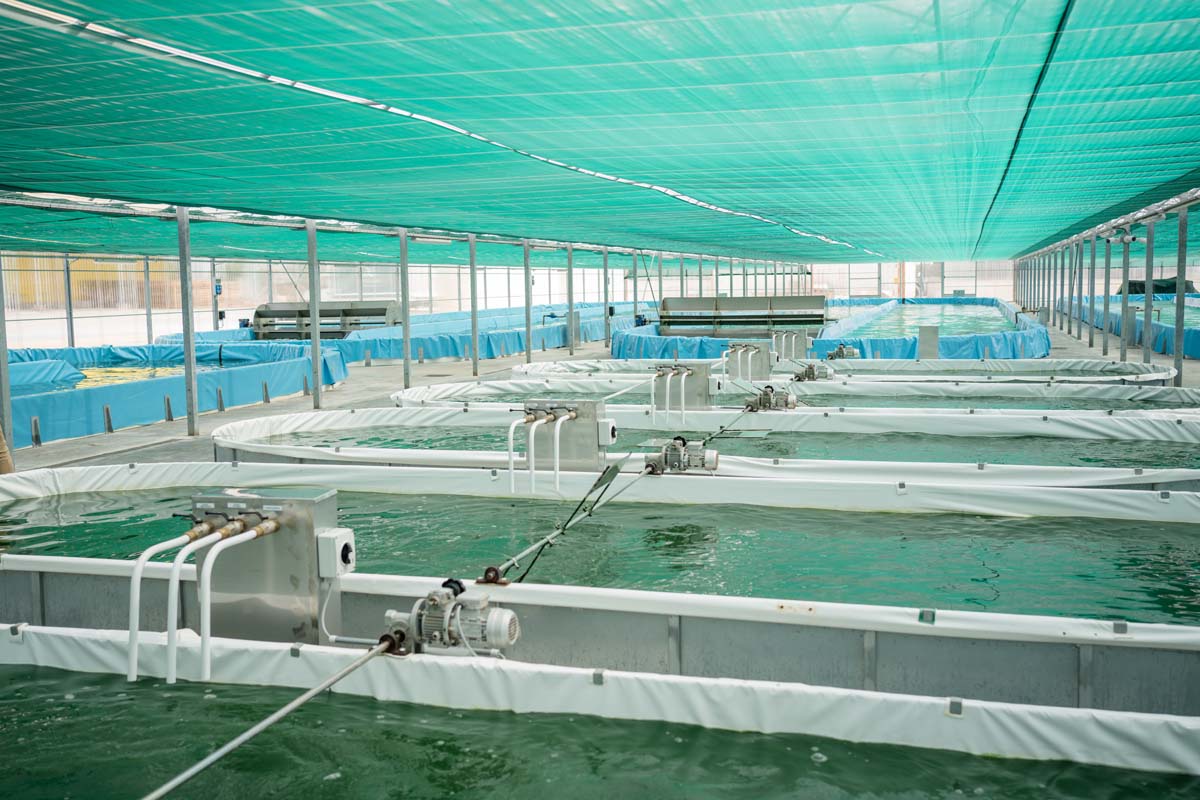
Developing circular economy practices for resource saving is crucial in reducing the company’s environmental impact. For this purpose, Andriani started a collaboration with the young company ApuliaKundi for cultivating spirulina algae using the wastewater from pasta die plates washing. Spirulina cultivation offers a double environmental benefit: water saving and CO2 sequestration from the atmosphere. With an estimated annual production of 1500 kg of spirulina, about 1,300,000 litres of water are reused, while approximately 2,7 tons of CO2 are absorbed from the atmosphere through photosynthesis.
Additionally, in the circular economy field, by the end of 2024, the company plans to start producing Pet Food from re-ground dry pasta scraps, further reducing waste and optimizing raw material use.
PURCHASE OF GREEN ENERGY AND CO2 OFFSETTING
Guarantees of Origin (GO) for electricity
Since 2020, the company has signed a contract for the supply of 100% renewable energy covered by Guarantees of Origin. These electronic certification systems confirm the renewable origin of purchased electricity, ensuring that the amount of energy purchased corresponds to an equal amount of renewable energy produced and fed into the grid. This mechanism allows for a 100% reduction in the plant’s carbon footprint related to Scope 2 (energy purchase).
Residual Emission Offsetting (Scope 1)
Offsetting residual Scope 1 emissions (direct natural gas consumption, fuel consumption by company vehicles, fugitive emissions) is done annually through carbon offsetting, i.e., the purchase of certified carbon credits.
For 2023, carbon credits from the “Domestic Cooking Stoves substitution programme in Mozambique” certified by UNFCCC were purchased (details available at the following link).